Ireland aims to generate 80% of its electricity from renewable resources by 2030, in line with the EU’s Renewable Energy Directive target of 42.5% for member states. however, growing electricity demand due to the electrification of heat, transport, and business activities is placing increased pressure on the grid. As a result, smart energy solutions and new funding models are becoming critical for business to control energy usage. Barry Sherry, CEO of ACEL Energy, highlights the role of modern energy management systems. ‘Smart meters will be vital,’ he says. ‘They allow businesses to take advantage of dynamic pricing. Electricity will be more expensive during peak hours like mornings and evenings, but businesses can benefit from cheaper tariffs or store energy when demand is low’ This flexibility helps companies reduce energy costs and optimse usage.
Overcoming grid capacity challenges
Businesses often face difficulty expanding due to grid capacity limits. Securing more capacity is costly and time consuming. Sherry stresses the need for on-site solutions: ‘Grid constraints are slowing growth for businesses. The best way to take control is to generate and store energy on-site’
Energy independence with solar and storage
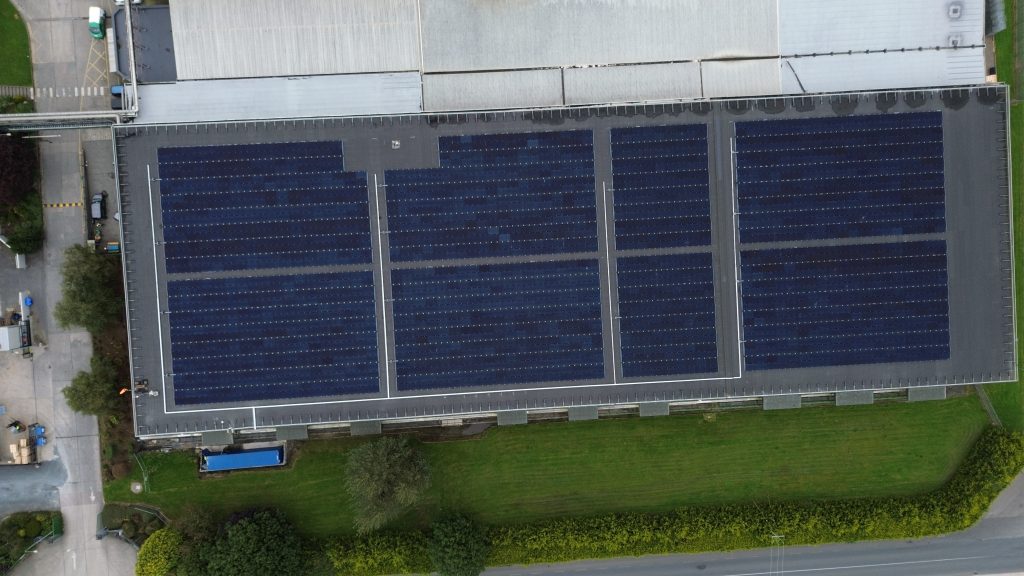
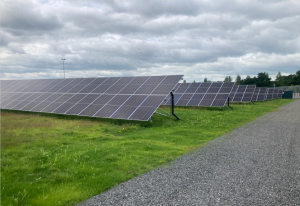
ACEL Energy is encouraging businesses to co-locate solar generation with battery storage to reduce dependency on external electricity. ‘Battery storage is a game changer,’ Sherry says. ‘It allows companies to store excess solar energy and import electricity at cheaper times. Medium to large enterprises are increasingly using the grid as a backup.’ These solutions provide stability against fluctuating electricity prices and supply issues.
co-ownership model for renewable systems
To ease the financial burden of transitioning to renewables, ACEL Energy offers a co-ownership funding model. ACEL designs, installs, and manages the system, while businesses pay only for the energy generated and stored. ‘We’ve helped many companies move to renewable energy without the need for upfront capital,’ Sherry explains.
ireland's renewable energy future
Despite its substantial renewable potential – particularly in wind, solar PV, and biomethane – Ireland faces hurdles such as planning delays and resource limitations. Nevertheless, there is a strong drive to accelerate renewable infrastructure deployment. Ireland’s government and businesses remain committed to to achieving the 2030 targets, which are crucial to reducing national greenhouse gas emissions. As businesses seek to future-proof their operations, investing in solar and battery storage is an effective way to gain energy independence and reduce costs. With ACEL Energy’s innovative funding solutions and Ireland’s evolving renewable energy policies, businesses have the tools to thrive in an increasingly electrified world.